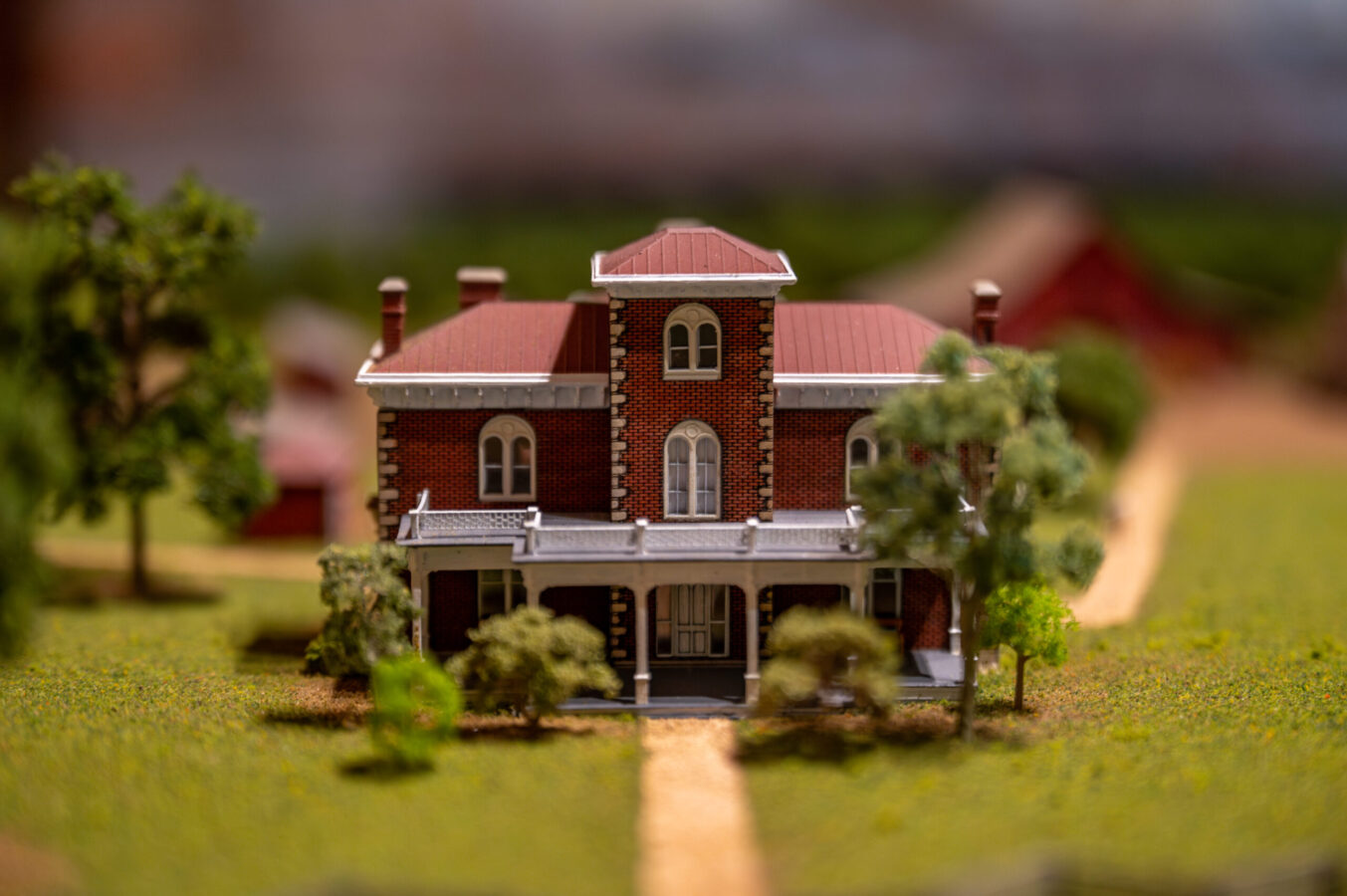
Why Certain Architectural Details Persisted in Brampton Homes Long After Urbanization Began
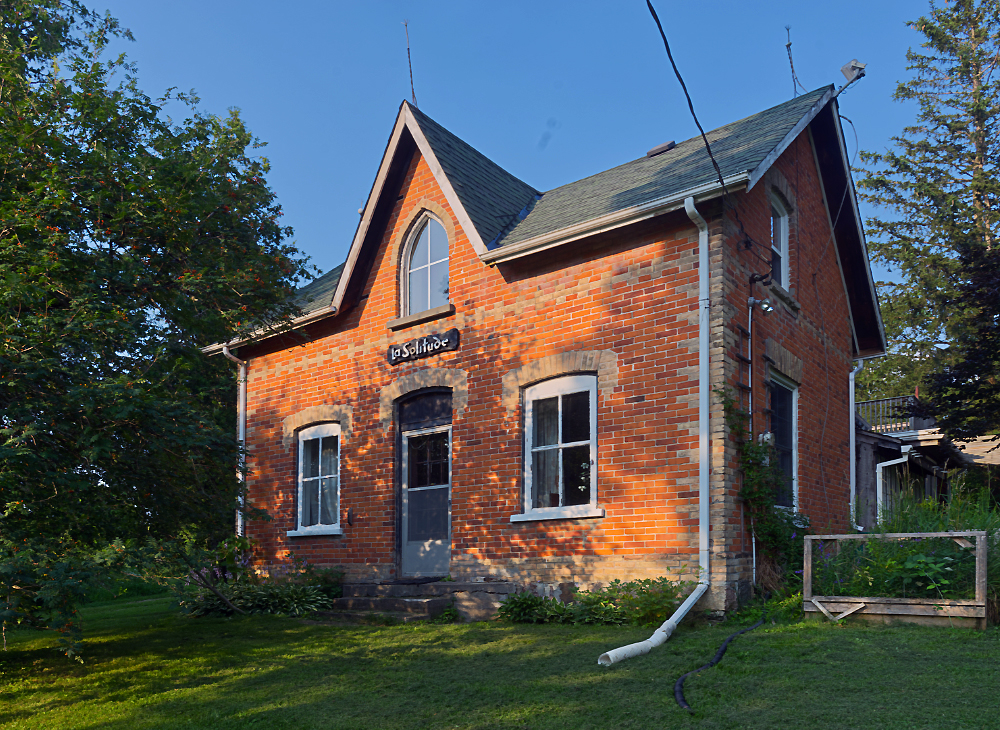
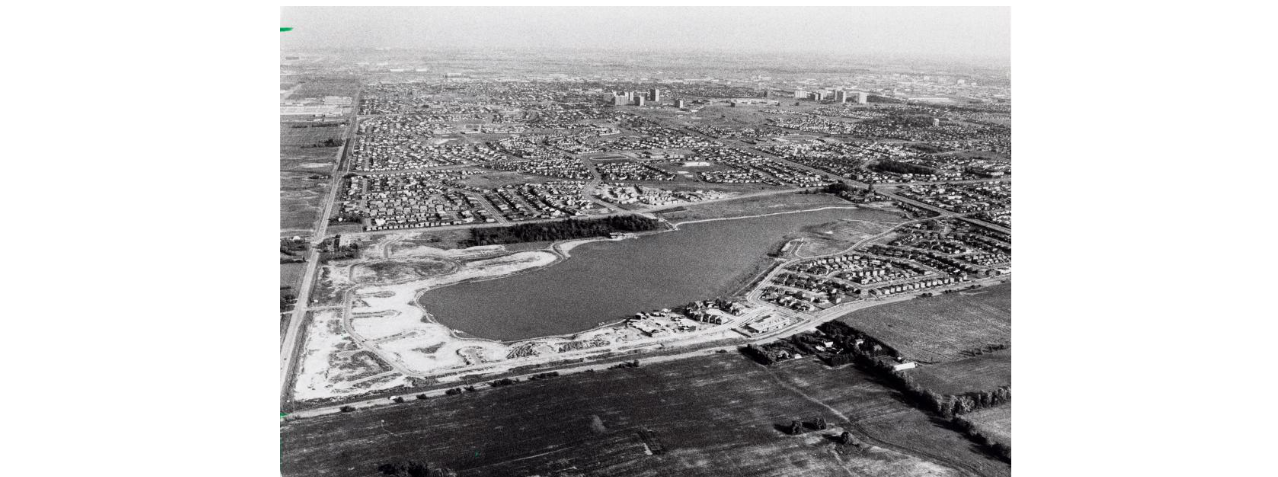
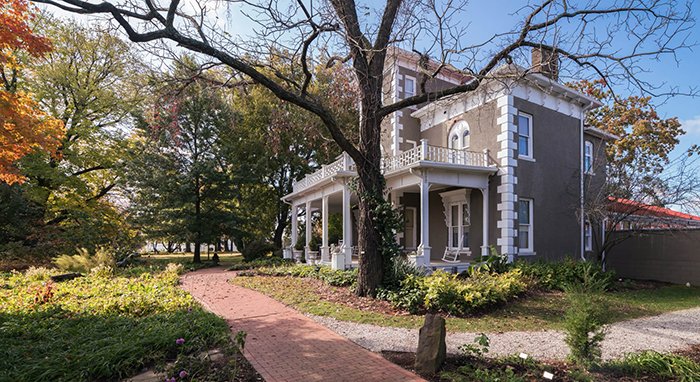
As Brampton gradually shifted from a rural settlement to a more urbanized community, many houses retained architectural details that originated in an earlier agricultural context. Buildings such as Bovaird House illustrate how construction traditions often outlasted the conditions that first produced them. These persistent details were not simply remnants of the past. They reflected continuity […]
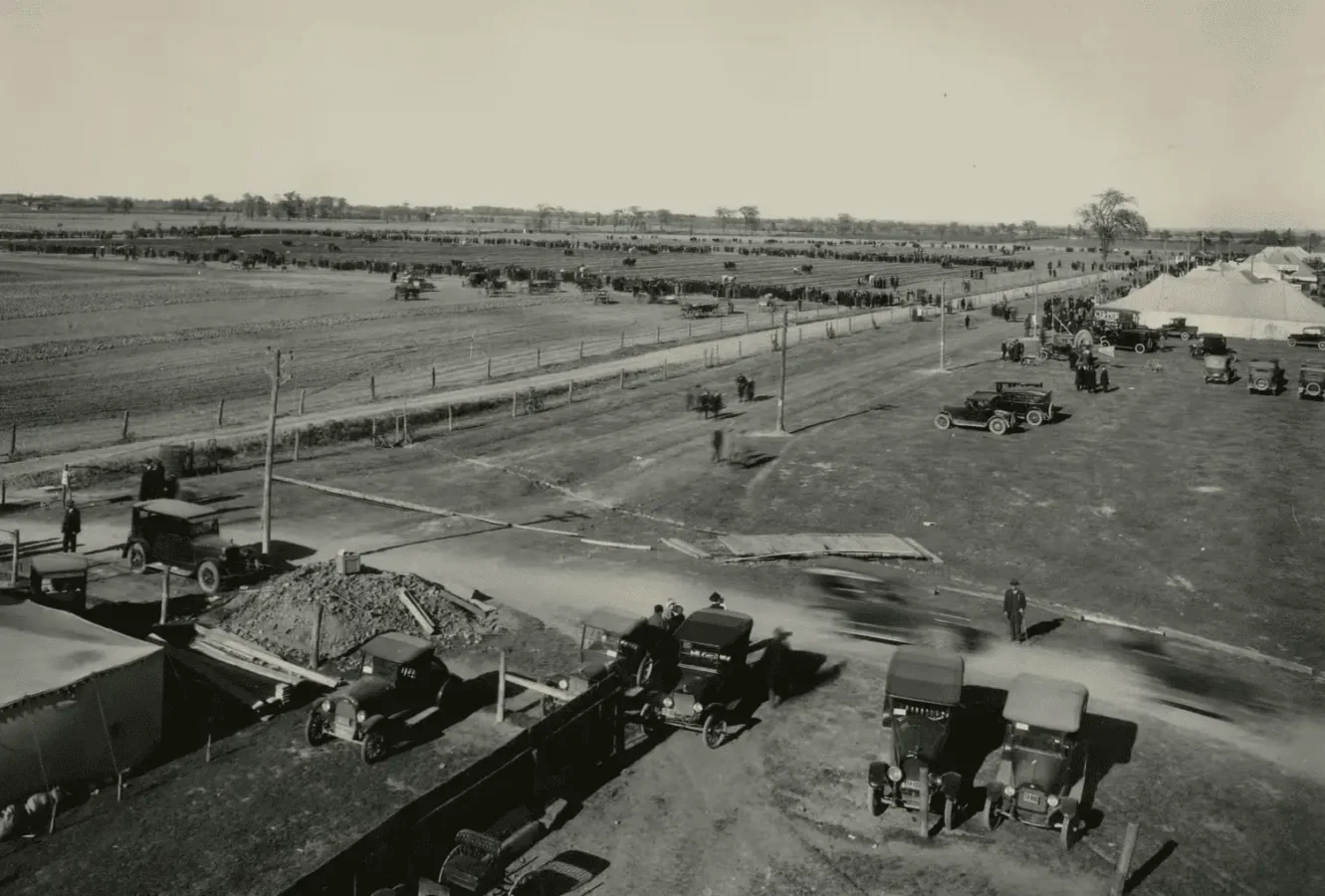
How Changing Farming Practices Altered the Layout of Homesteads in Peel County

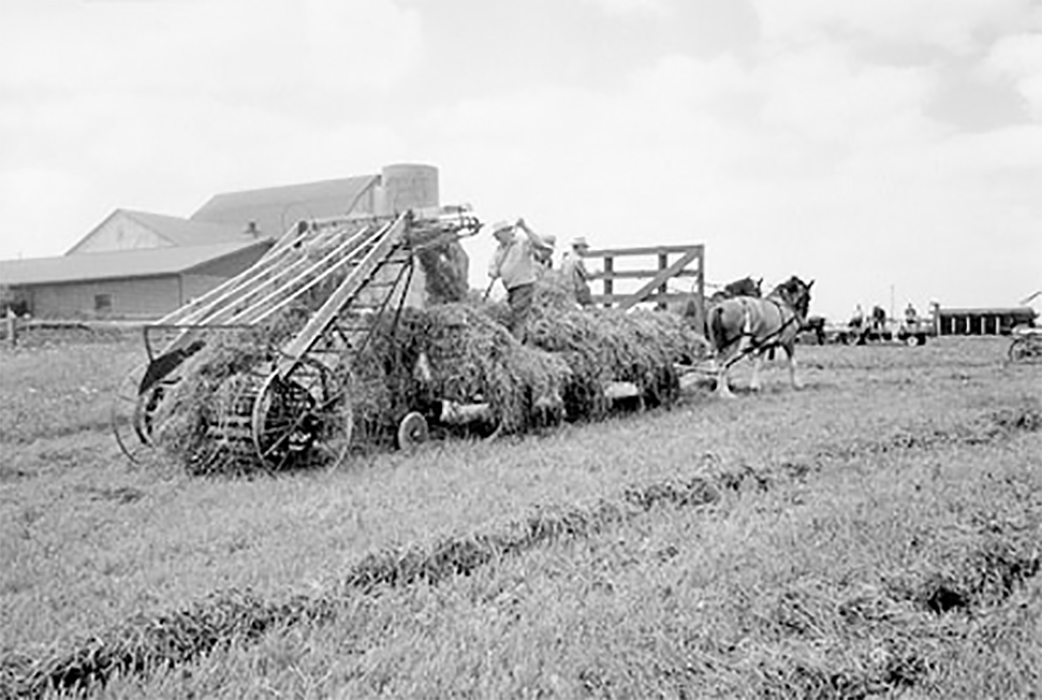
When homesteads such as Bovaird House were established, farming practices in the area surrounding Brampton were shaped by manual labor, animal power, and small-scale production. Over the course of the 19th century, gradual changes in agricultural methods began to influence how land was organized and how buildings were arranged within farm properties. These changes did […]

Why Farmhouses of This Era Were Designed to Accommodate Both Family Life and Agricultural Work

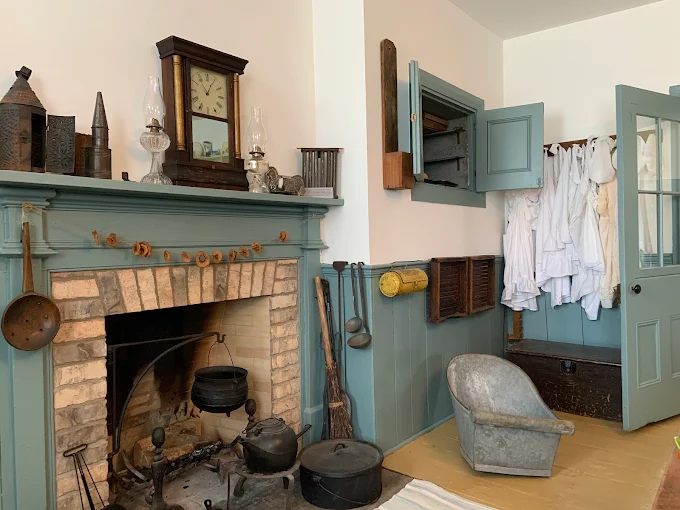
When farmhouses such as Bovaird House were built, the distinction between domestic life and agricultural labor was far less pronounced than it would become later. In rural areas around Brampton, the home functioned as both a living space and the operational center of the farm. Architectural design during this period reflects that dual role. Rather […]

Why Certain Household Functions Became Impractical as Brampton Densified

During the period when Bovaird House was part of an active rural landscape, domestic life in the Brampton area was organized around a high degree of household self-sufficiency. Homes were embedded within agricultural land, outbuildings were common, and many day-to-day responsibilities were managed directly by residents as part of ordinary domestic routines. As Brampton transitioned […]

How the Construction of Regional Roads Influenced the Siting of Rural Homes Like Bovaird House

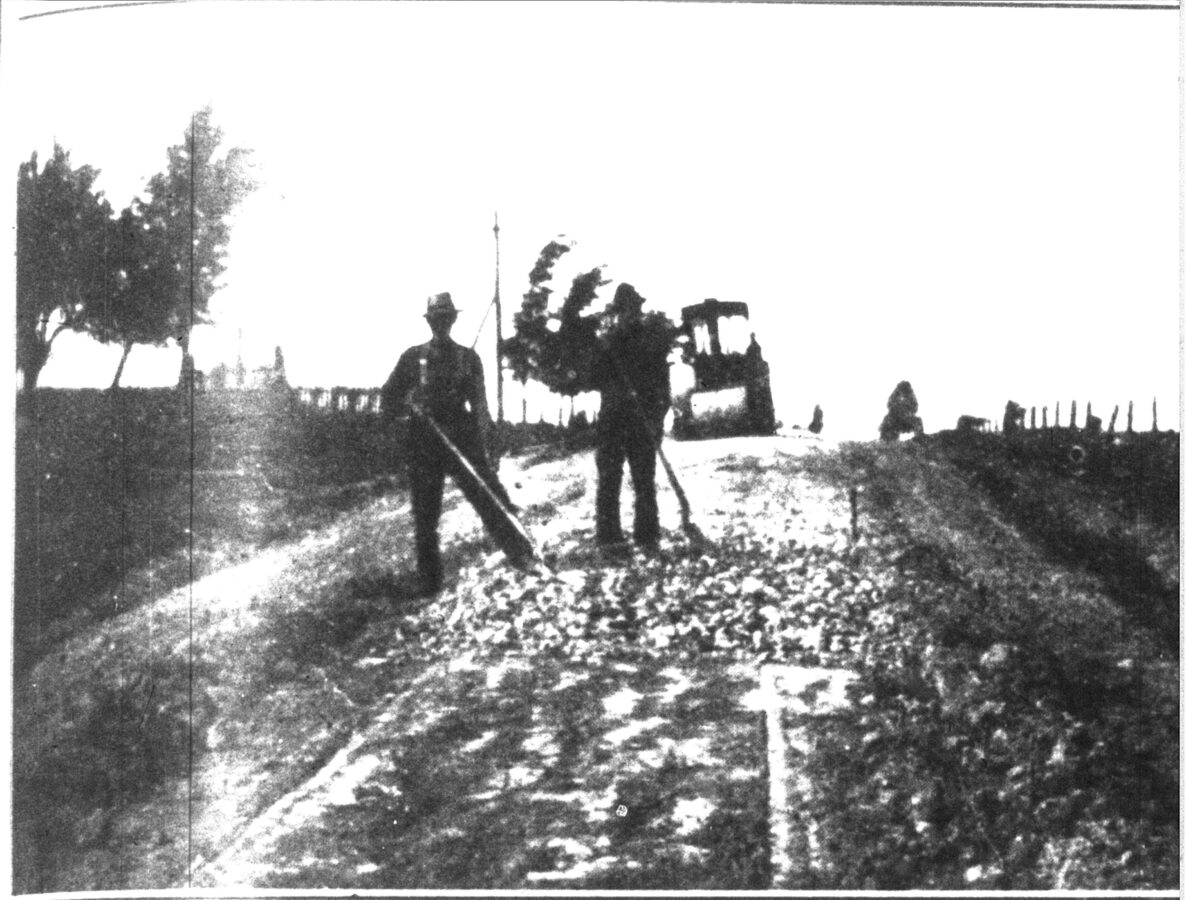
When rural homes such as Bovaird House were established, transportation infrastructure played a quiet but decisive role in determining where buildings were placed. In what is now Brampton, early roads were not conceived as amenities or planning features. They were functional routes intended to connect farms, mills, and markets across a largely agricultural landscape. The […]

Why Early Brampton Homes Were Often Expanded in Stages Rather Than Built All at Once

When houses such as Bovaird House were established, the surrounding area of Brampton was still developing as a rural settlement. Homes built during this period were shaped by uncertainty, limited resources, and the evolving needs of farming families. As a result, many dwellings were not completed in a single phase but grew gradually over time. […]

How Agricultural Land Use Around Bovaird House Changed Between the 1800s and Early 1900s

When Bovaird House was established, the surrounding area of what is now Brampton functioned almost entirely as agricultural land. Farms were organized to support household subsistence as well as limited market production, and land use reflected the rhythms of seasonal work rather than long-term planning beyond the farm itself. Over the course of the 19th […]

Why Bovaird House Reflects a Transitional Farmhouse Style Rather Than a Purely Pioneer Dwelling

When Bovaird House was constructed, the rural landscape around Brampton was in a period of gradual change. Settlement had moved beyond the earliest pioneer phase, yet the region had not fully entered an urban or suburban era. Buildings erected during this interval often display characteristics that fall between these two stages. Bovaird House is representative […]

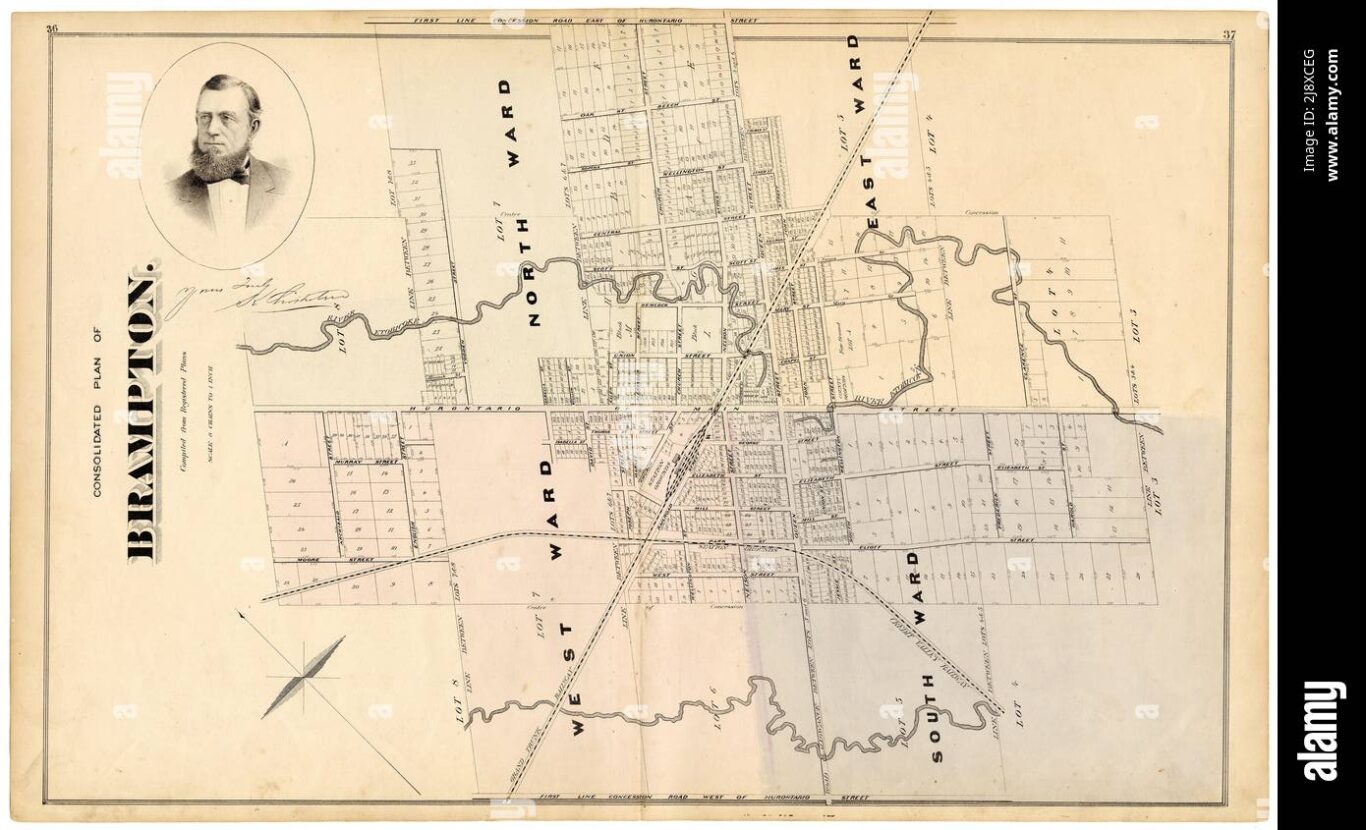
How Land Grants and Early Surveys Shaped Settlement Patterns in North Brampton

The location and form of early settlement in what is now northern Brampton were strongly influenced by systems of land grants and surveys introduced during the late 18th and early 19th centuries. Long before permanent buildings such as Bovaird House appeared on the landscape, the area had already been divided and organized on paper. These […]

Why Brick Became a Common Building Material in Brampton During the Mid-19th Century

When Bovaird House was constructed, brick was becoming an increasingly common material in rural and small-town areas around Brampton. This shift did not occur suddenly, nor was it driven by fashion or prestige alone. Instead, it reflected broader changes in settlement maturity, local resources, and construction practices during the mid-19th century. Earlier buildings in the […]